

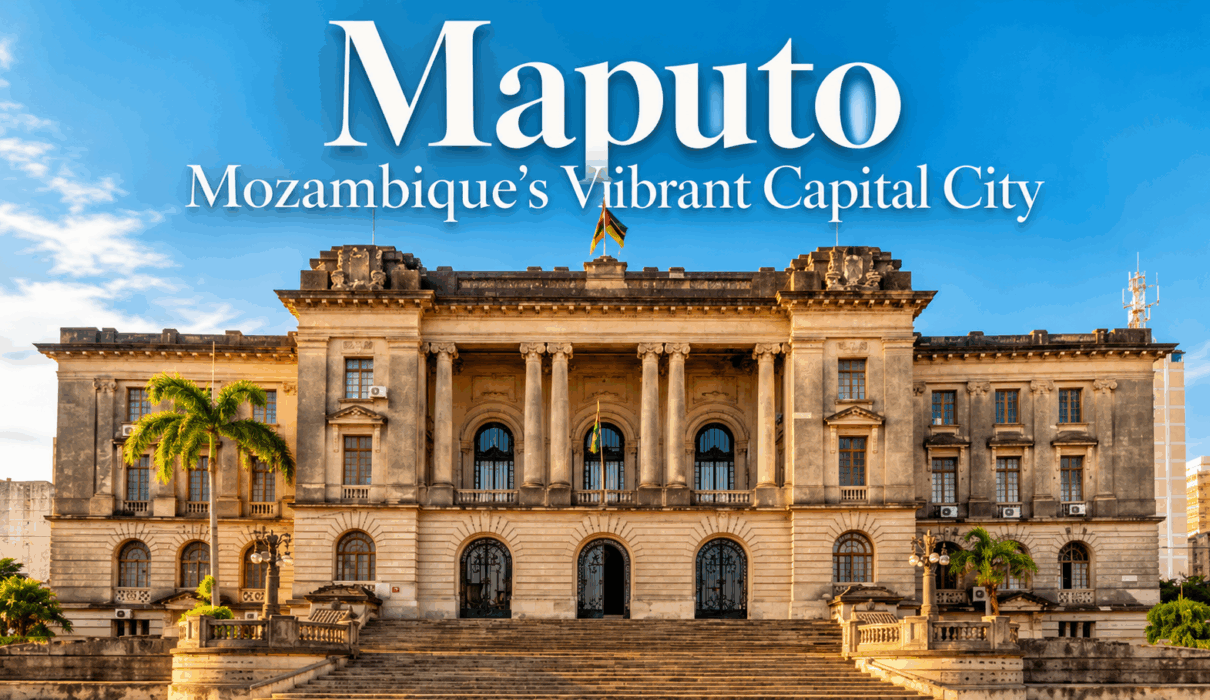
Discover the history, colonial architecture, colourful markets and irresistible flavours of Mozambique’s fascinating Indian Ocean capital.
There is something captivating about Maputo. Perhaps it is the elegant avenues lined with jacaranda trees, the striking architecture inherited from another era, or the lively markets where the colours, aromas and sounds of everyday African life come together. Maputo is the capital of Mozambique, located in the southern part of the country along the shores of Maputo Bay, connected to the Indian Ocean. It is the nation’s political, economic and cultural centre, but it is also a city with a remarkable story.
Here, Portuguese colonial architecture stands beside modern African buildings, traditional markets coexist with fashionable cafés, and the rhythms of Mozambique’s musical heritage can still be felt throughout the city. Unlike many famous tourist destinations, Maputo does not reveal all its charms at first glance. It invites visitors to explore, observe and discover a fascinating mixture of cultures that has developed over centuries.

From Lourenço Marques to Maputo: A City Shaped by History
To understand Maputo, we must first travel back to the age of maritime exploration.
During the 16th century, Portuguese navigators explored the southeastern coast of Africa, establishing trading connections along the Indian Ocean. The settlement that eventually developed into modern Maputo became known as Lourenço Marques, named after a Portuguese trader and explorer associated with the region. Its sheltered bay and strategic position helped transform the settlement into an important commercial port. By the late 19th and early 20th centuries, Lourenço Marques was developing rapidly. Railways connected the port with the interior of southern Africa, while European-style buildings, wide boulevards and public gardens gave the city a distinctive architectural character.
Yet behind this urban development lay the inequalities and hardships of colonial rule. Mozambique’s struggle for independence eventually transformed the country. On 25 June 1975, Mozambique gained independence from Portugal, beginning a new chapter in its history.
The city was subsequently renamed Maputo in 1976. Today, its streets tell the story of these different periods: Portuguese influence, African resistance, independence and the development of a modern national identity.

Attractions
Maputo Railway Station: A Journey into the City’s Golden Age
One of Maputo’s most remarkable architectural landmarks is its Central Railway Station.
Completed in the early 20th century, the station is celebrated for its imposing façade, elegant arches and distinctive central dome. Standing in Praça dos Trabalhadores, it recalls the period when railway development helped transform the city into a major trading centre.
The station is sometimes associated with Gustave Eiffel, but claims that he personally designed it should be treated with caution. Its architectural significance does not depend on that popular legend. Step inside, and the atmosphere changes. The historic structure, old railway equipment and surviving details evoke an era when rail travel was a symbol of progress and adventure.
For architecture enthusiasts and travellers interested in African colonial history, this is one of Maputo’s essential landmarks. The station is also a reminder of the city’s longstanding connections with neighbouring countries and the wider southern African region.

Did you know? A scene from the movie Blood Diamond, starring Leonardo DiCaprio, was filmed at this railway station.
Tunduru Botanical Gardens: A Green Oasis in the Capital
Just a short distance from the bustle of downtown Maputo lies a peaceful retreat. The Tunduru Botanical Gardens, established in the 19th century, offer a refreshing contrast to the busy streets outside. Shaded pathways wind through tropical vegetation, mature trees and carefully landscaped green spaces.
The gardens reflect the city’s colonial-era interest in botanical collections and public parks, while today providing residents and visitors with a welcome place to escape the heat. For travellers exploring Maputo on foot, the gardens are an ideal place to pause between historic landmarks. They also offer a quieter perspective on a city often associated with its markets, traffic and lively urban atmosphere.
The Iron House: An Architectural Curiosity
Not far from the botanical gardens stands one of Maputo’s most unusual buildings: Casa de Ferro, or the Iron House.Constructed from prefabricated metal components in the late 19th century, the building is commonly associated with the architectural world of Gustave Eiffel. It was intended for use by the colonial administration, but its metal construction proved poorly suited to the region’s warm climate.
Today, the building survives as a fascinating reminder of an era when European industrial technology was exported to distant parts of the world, sometimes without sufficient consideration for local conditions. Its unusual appearance makes it one of Maputo’s most memorable architectural curiosities.

Independence Square: The Heart of Modern Mozambique
Praça da Independência, or Independence Square, is one of the city’s most symbolically important public spaces. Here, visitors encounter monuments and buildings connected with Mozambique’s national identity. The square is dominated by the imposing Maputo City Hall and is close to the Cathedral of Our Lady of the Immaculate Conception.
The cathedral, inaugurated in 1944, is notable for its clean architectural lines and tall central tower. Together, these landmarks illustrate the different historical influences that have shaped the city. Independence Square is more than a sightseeing stop. It is a place where the story of colonial Maputo meets the history of independent Mozambique..


Fortaleza de Maputo: A Reminder of the Colonial Past
Among Maputo’s oldest surviving historical landmarks is the Fortaleza de Nossa Senhora da Conceição. The fortress stands as a reminder of the centuries during which European powers sought to control strategic trading routes along Africa’s eastern coast.
Its thick walls and preserved military features provide insight into the city’s earlier colonial history. For visitors interested in understanding Maputo beyond its attractive boulevards and lively cafés, the fortress adds an important historical dimension.
It invites reflection on the relationship between maritime commerce, colonial expansion and the development of modern Mozambique.
Mercado Central: The Colours and Flavours of Everyday Life
One of the most rewarding ways to experience a city is to visit the places where local people shop, talk and conduct their daily business. Maputo’s Mercado Central offers exactly that experience. Opened in 1901, this historic market is filled with stalls selling fresh produce, tropical fruits, vegetables, spices and everyday household goods. The atmosphere is lively and authentic. Vendors arrange colourful displays, customers negotiate their purchases, and the scents of fresh herbs and spices fill the air.
For travellers, the market provides an opportunity to observe the rhythm of daily life rather than simply admire historic monuments. Look for tropical fruits, local ingredients and the many small details that reveal Mozambique’s diverse culinary traditions. A visit is particularly rewarding when approached with curiosity and respect for the people who work there.


FEIMA: Discover Mozambique Through Art and Craftsmanship
Maputo’s creative spirit can also be discovered at FEIMA, the city’s well-known craft, flower and gastronomy market. Here, visitors can explore a variety of handmade objects, decorative pieces, textiles and traditional crafts. Woodcarving has a particularly important place in Mozambique’s artistic heritage, including the internationally recognised traditions of Makonde sculpture.
The market provides an appealing introduction to the country’s craftsmanship and contemporary creativity. It is also a pleasant place to browse for souvenirs that reflect local artistic traditions. Rather than rushing from one attraction to another, take time to observe the materials, patterns and techniques that give these objects their character.
The Flavours of Maputo: Prawns, Piri-Piri and Portuguese Influences
Mozambique’s cuisine reflects its geography and its long history of cultural exchange. Situated along the Indian Ocean, the country has a strong tradition of seafood dishes, while Portuguese and African influences have helped shape its distinctive flavours.
Maputo is especially known for its prawns, often grilled and served with garlic, lemon or spicy piri-piri sauce. Another popular dish is matapa, traditionally prepared using cassava leaves and often combined with peanuts, coconut milk and seafood. The result is a rich and comforting expression of local culinary traditions.
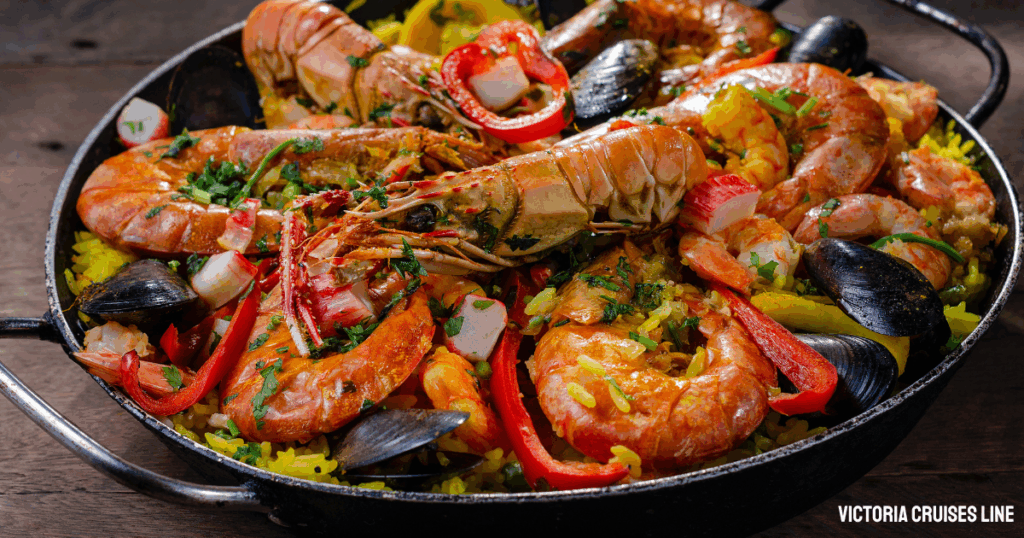
Visitors may also encounter fresh grilled fish, peri-peri chicken, tropical fruits and a variety of dishes influenced by the country’s regional communities. Food in Maputo is more than a collection of recipes. It tells the story of trade, migration, local agriculture and centuries of cultural exchange. For anyone who enjoys discovering a destination through its cuisine, the city offers memorable experiences.
Maputo’s Waterfront: Where the City Meets the Indian Ocean
Maputo’s relationship with the sea has shaped its development for generations. The city’s waterfront offers broad views across Maputo Bay, where maritime activity and coastal landscapes form an essential part of the capital’s identity. Along the Marginal, visitors can enjoy views of the bay and experience a more relaxed side of urban life.
The waterfront is particularly attractive in the softer light of late afternoon. Across the bay lies Catembe, an area that provides a different perspective on the city and its coastal setting.
The impressive Maputo–Catembe Bridge has become a modern symbol of the region’s infrastructure and development. For travellers who enjoy photography, coastal scenery and observing the daily rhythm of a port city, Maputo’s waterfront is an important part of the experience.
Beyond the City: Inhaca Island and Coastal Nature
Those with additional time can explore the natural attractions surrounding Maputo Bay. Inhaca Island is known for its coastal landscapes, marine environments and opportunities to experience a quieter side of Mozambique. The island’s beaches, coastal vegetation and surrounding waters offer a contrast to the urban atmosphere of the capital. Excursions require planning, and transport options depend on local conditions and available services.
For travellers interested in marine life and coastal ecology, the area illustrates the natural diversity of southern Mozambique. It is a reminder that Maputo is not only a historic capital but also a gateway to the country’s remarkable Indian Ocean environment.
A City of Music, Culture and Resilience
Maputo’s character cannot be understood through architecture alone. Music and cultural expression have played an important role in Mozambique’s modern identity. Marrabenta, a musical style closely associated with southern Mozambique and Maputo, developed through the interaction of local rhythms and imported musical influences. Its energetic sound became part of the city’s cultural life and remains an important expression of Mozambican heritage.
Art, literature and music also played significant roles in the country’s independence-era cultural identity. Today, Maputo continues to be a centre for artistic creativity, where established traditions meet contemporary African culture. For visitors willing to look beyond the main tourist attractions, this creative energy is one of the city’s most rewarding discoveries.
What to See in Maputo in One Day
Even a short visit can reveal some of the city’s most interesting contrasts. Begin at the Central Railway Station, where Maputo’s architectural and commercial history comes vividly to life. Continue to the Mercado Central to experience the colours and atmosphere of everyday local commerce.
From there, explore Independence Square, the cathedral and the nearby Iron House. A walk through the Tunduru Botanical Gardens provides a relaxing break before lunch. For an authentic culinary experience, try local seafood or a traditional Mozambican dish. In the afternoon, visit the fortress or explore local arts and crafts at FEIMA. Finish your day along the waterfront, enjoying the views across Maputo Bay. Travellers with more time can discover additional museums, cultural venues and nearby coastal destinations.
A knowledgeable local guide can help connect these places with the historical stories that make them meaningful.
Why Maputo Deserves a Place on Your Travel List
Maputo is not a city of polished perfection, and that is part of what makes it fascinating. Its appeal lies in its contrasts. Historic railway buildings stand alongside modern developments. Quiet botanical gardens offer refuge from bustling markets. Portuguese architectural influences coexist with a distinctly Mozambican cultural identity.
Above all, Maputo is a city shaped by the people who have lived, worked and built communities here across generations. It rewards travellers who are interested not only in seeing beautiful places but also in understanding their history. For those seeking a deeper experience of Africa’s Indian Ocean coast, Mozambique’s capital offers a remarkable introduction.
Discover the World with Victoria Cruises Line
Every destination has a story, and Maputo’s is one of cultural encounters, transformation and resilience. At Victoria Cruises Line, we believe that travelling around the world should offer more than a collection of photographs and famous landmarks.
It should create opportunities to discover different cultures, explore fascinating histories and appreciate the everyday life of places that might otherwise remain unfamiliar. Our adults-only residential cruising concept is designed around a different approach to travel: the opportunity to make the world part of everyday life, rather than treating each destination as a hurried holiday. From the historic streets of Maputo to the many remarkable destinations across the globe, the journey is about discovering the world with curiosity and a sense of adventure.
Learn more about life aboard Victoria Cruises Line