Èze Village Guide – Côte d’Azur Hidden Gem

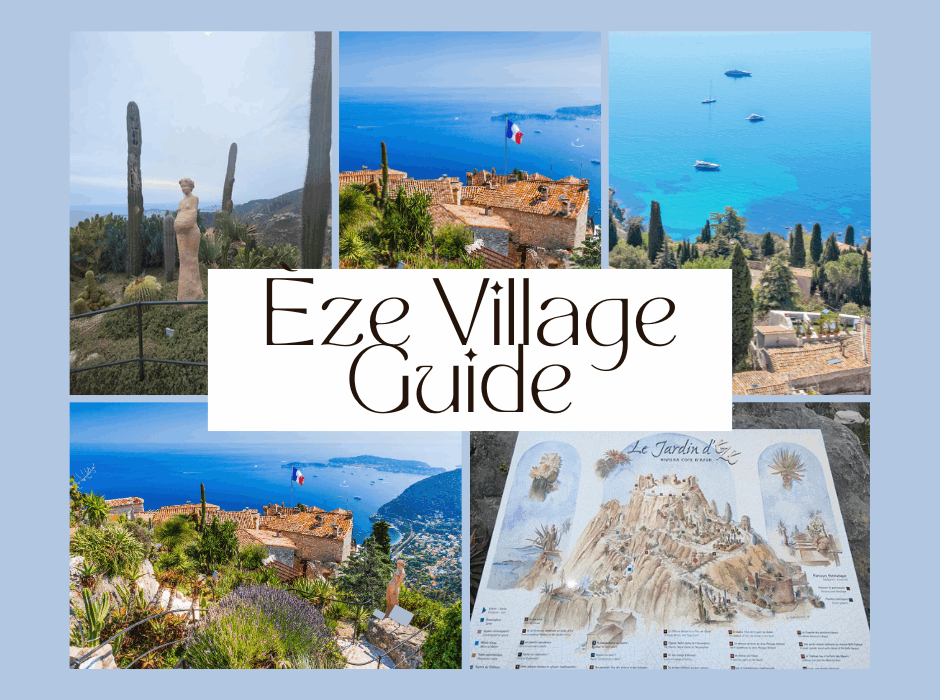
Èze Village Guide – Côte d’Azur Hidden Gem Èze is, in many ways, the quintessential hilltop village of the French Riviera—yet it is also one of its most striking. Its history stretches back to around 2000 BC, when the first settlers, believed to be Greeks, arrived. They were followed by the Romans and later the Moors, who were eventually driven out in the 10th century by William I of Provence. Over the centuries, the village was repeatedly occupied by French and Turkish forces, until in 1706 Louis XIV ordered the destruction of the fortified walls during the War of the Spanish Succession. In 1860, the inhabitants of Èze voted unanimously to become part of France. At its most defensive, Èze was a true stronghold. High stone walls and ramparts surrounded the village, designed as a last refuge for its residents. Built dramatically along the edge of steep cliffs, it could only be accessed from a few directions—each heavily fortified. A narrow footpath led up to the entrance, offering an additional layer of protection against invaders. Today, those turbulent times feel distant. Èze has transformed into a refined destination, known not for its fortifications but for its atmosphere—boutiques, art galleries, elegant cafés, and carefully curated restaurants now line its medieval streets. Located just a few kilometers from Monaco and rising more than 420 meters above sea level, it’s no surprise the village is often called the “Eagle’s Nest.” From here, the views over the Côte d’Azur are nothing short of extraordinary. Entry into the village is through a 14th-century gate, where thick sandstone walls immediately create a sense of coolness and calm. Inside, narrow cobbled lanes wind upward, leading past small shops, galleries, and façades draped in vibrant bougainvillea and climbing vines. The contrast between the rugged stone architecture and the vivid Mediterranean colors gives the village its unmistakable character. Dominating the skyline is the Église Notre-Dame-de-l'Assomption, built between 1764 and 1778. Its elegant yet understated interior invites quiet reflection, with a series of small chapels dedicated to different saints and purposes. Painted depictions of locally revered figures are framed in stucco and faux marble, while subtle historical references—such as an Egyptian cross—hint at the area’s ancient past. The church’s bell tower remains both a spiritual symbol and a visual landmark for the village, and it was officially recognized as a historic monument by the French government in 1984. As you climb higher through the village, the views gradually open up. The true highlight, however, lies at the very top: the Jardin exotique d'Èze. Created in 1949 on the ruins of the former castle, this terraced garden is home to an extraordinary collection of cacti, succulents, and drought-resistant plants from around the world. Against the deep blue backdrop of the Mediterranean, the interplay of shapes, textures, and colors feels almost like an impressionist painting brought to life. The garden is more than just a visual experience. Sculptures placed throughout the landscape, quiet corners for contemplation, and the ever-present sea breeze create a sense of calm that contrasts beautifully with the village below. It’s a place to pause—not just to admire the view, but to fully absorb it. Walking through Èze, it’s easy to lose track of time. Cobblestone paths, wrought-iron lanterns, pastel shutters, and flowers spilling from every corner create the feeling of stepping into a living museum. Artists, thinkers, and visitors have long been drawn here, including Friedrich Nietzsche, who found inspiration in the dramatic landscape and its ever-changing light. Èze today is no longer about defense—it’s about experience. A place where history, architecture, and nature come together to create one of the most memorable destinations on the French Riviera.

Èze is, in many ways, the quintessential hilltop village of the French Riviera—yet it is also one of its most striking. Its history stretches back to around 2000 BC, when the first settlers, believed to be Greeks, arrived. They were followed by the Romans and later the Moors, who were eventually driven out in the 10th century by William I of Provence. Over the centuries, the village was repeatedly occupied by French and Turkish forces, until in 1706 Louis XIV ordered the destruction of the fortified walls during the War of the Spanish Succession. In 1860, the inhabitants of Èze voted unanimously to become part of France.
Èze Village
Èze Village

At its most defensive, Èze was a true stronghold. High stone walls and ramparts surrounded the village, designed as a last refuge for its residents. Built dramatically along the edge of steep cliffs, it could only be accessed from a few directions—each heavily fortified. A narrow footpath led up to the entrance, offering an additional layer of protection against invaders.

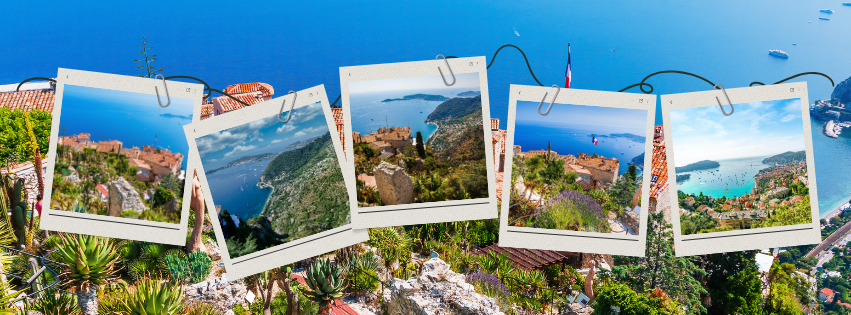
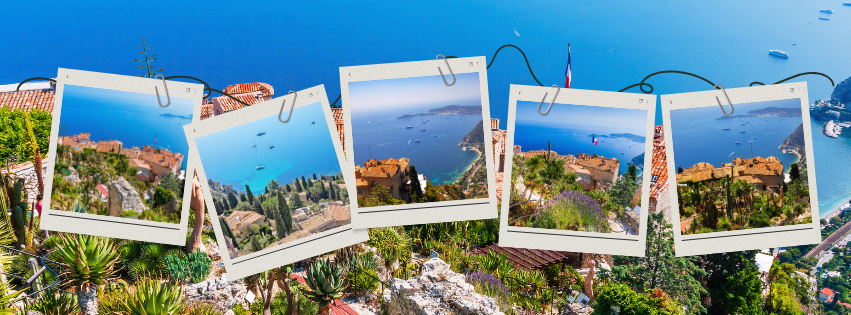
Today, those turbulent times feel distant. Èze has transformed into a refined destination, known not for its fortifications but for its atmosphere—boutiques, art galleries, elegant cafés, and carefully curated restaurants now line its medieval streets. Located just a few kilometers from Monaco and rising more than 420 meters above sea level, it’s no surprise the village is often called the “Eagle’s Nest.” From here, the views over the Côte d’Azur are nothing short of extraordinary.

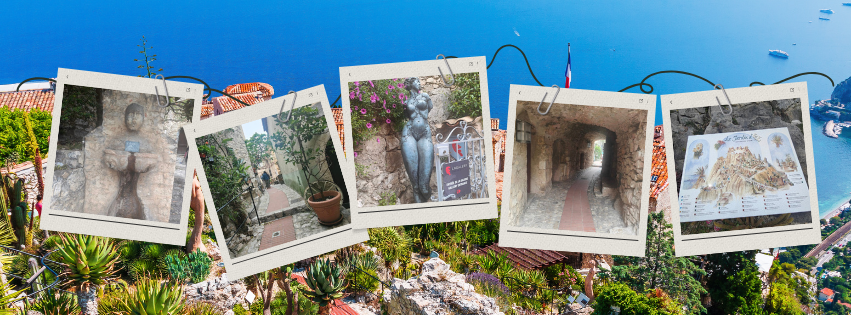
Entry into the village is through a 14th-century gate, where thick sandstone walls immediately create a sense of coolness and calm. Inside, narrow cobbled lanes wind upward, leading past small shops, galleries, and façades draped in vibrant bougainvillea and climbing vines. The contrast between the rugged stone architecture and the vivid Mediterranean colors gives the village its unmistakable character.
Èze Village
Èze Village

Dominating the skyline is the Église Notre-Dame-de-l’Assomption, built between 1764 and 1778. Its elegant yet understated interior invites quiet reflection, with a series of small chapels dedicated to different saints and purposes. Painted depictions of locally revered figures are framed in stucco and faux marble, while subtle historical references—such as an Egyptian cross—hint at the area’s ancient past. The church’s bell tower remains both a spiritual symbol and a visual landmark for the village, and it was officially recognized as a historic monument by the French government in 1984.

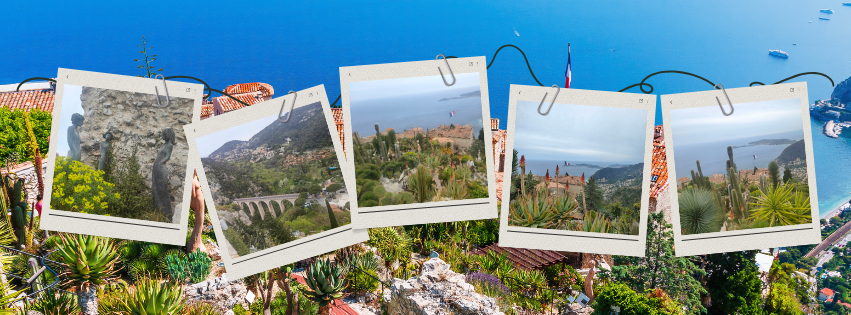
As you climb higher through the village, the views gradually open up. The true highlight, however, lies at the very top: the Jardin exotique d’Èze. Created in 1949 on the ruins of the former castle, this terraced garden is home to an extraordinary collection of cacti, succulents, and drought-resistant plants from around the world. Against the deep blue backdrop of the Mediterranean, the interplay of shapes, textures, and colors feels almost like an impressionist painting brought to life.
Èze Village
Èze Village

The garden is more than just a visual experience. Sculptures placed throughout the landscape, quiet corners for contemplation, and the ever-present sea breeze create a sense of calm that contrasts beautifully with the village below. It’s a place to pause—not just to admire the view, but to fully absorb it.

Walking through Èze, it’s easy to lose track of time. Cobblestone paths, wrought-iron lanterns, pastel shutters, and flowers spilling from every corner create the feeling of stepping into a living museum. Artists, thinkers, and visitors have long been drawn here, including Friedrich Nietzsche, who found inspiration in the dramatic landscape and its ever-changing light.
Èze Village
Èze Village

Èze today is no longer about defense—it’s about experience. A place where history, architecture, and nature come together to create one of the most memorable destinations on the French Riviera.